by Enter Search · by Esc Close

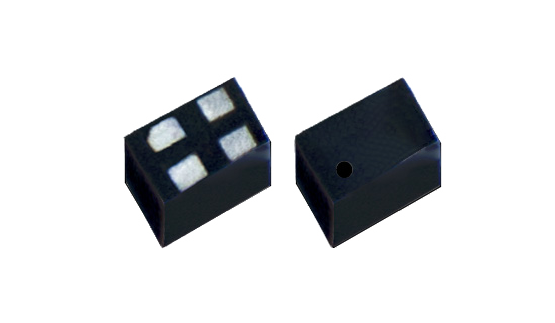
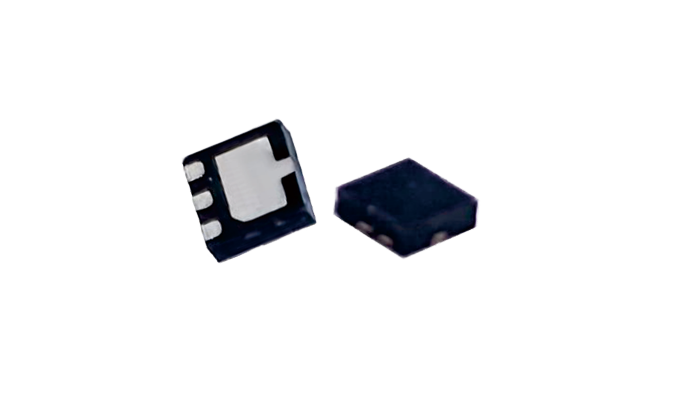
Traditional game controllers largely use potentiometers to detect joystick position, relying on sliding contact against a carbon film resistor to obtain position signals.ESSTMAGSAdopting non-contacttypeBBT-A907 / BBT-A908 angle xMR magnetic sensor ICssensing solutionsolution.
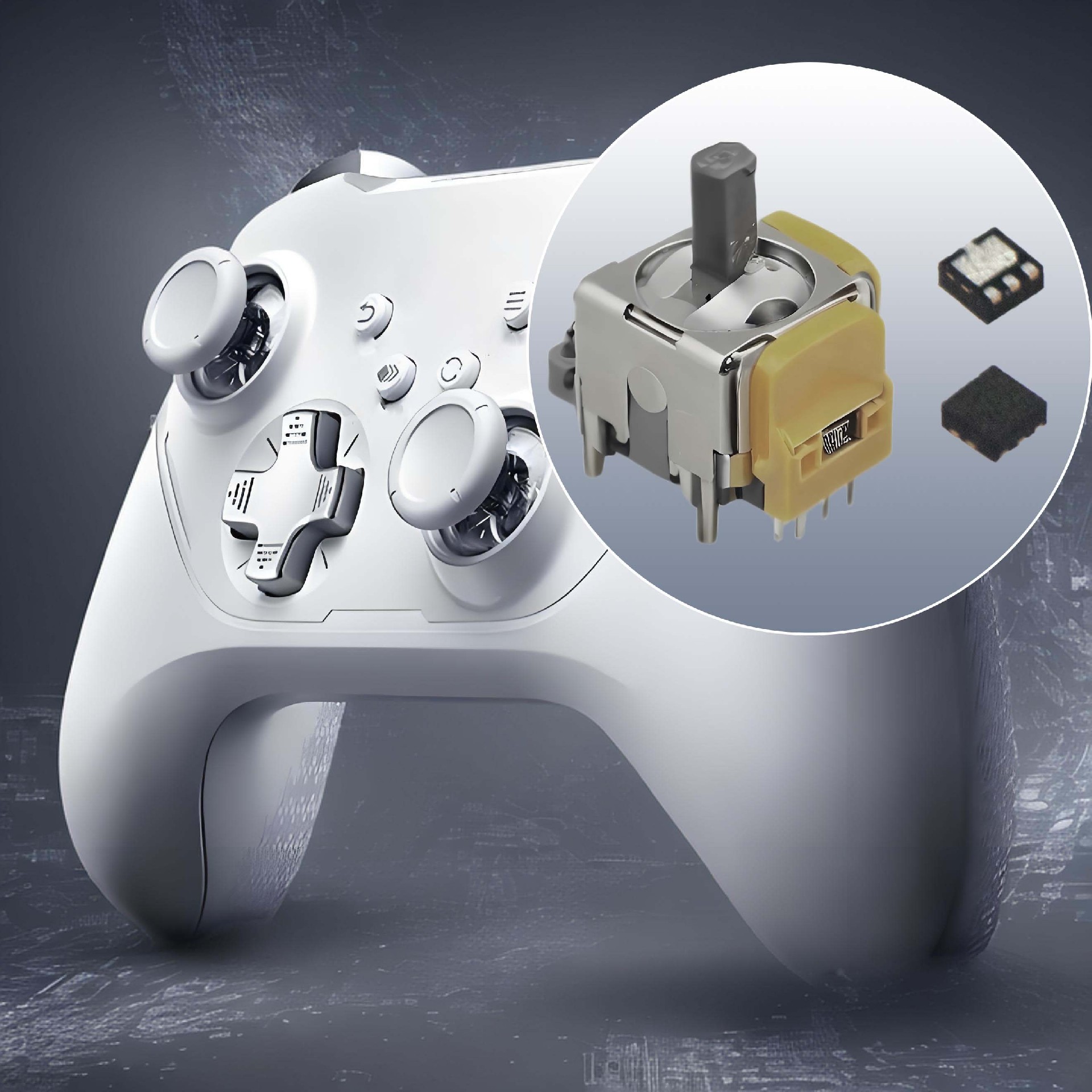
A radially magnetized magnetic ring is mounted on the joystick shaft, and the sensor is fixed on on the PCB, with no physical contact with the magnetic ring. As the player moves the joystick, the magnetic ring rotates in sync; the IC detects the 0-360° angle change in real time and outputs X and Y dual-axis angle position signals, feeding back joystick direction and magnitude for game direction control.Thoroughly eliminating potentiometer carbon-film wear, alleviating an industry-wide problem at the hardware level "Joystick drift," widely used in game controllers and portable gamepads.
Joystick drift pain point: potentiometers rely on physical contact; long-term friction wears the carbon film and shifts the zero output point. Conventional Hall solutions are prone to drift from magnetic field fluctuations and temperature after extended use.
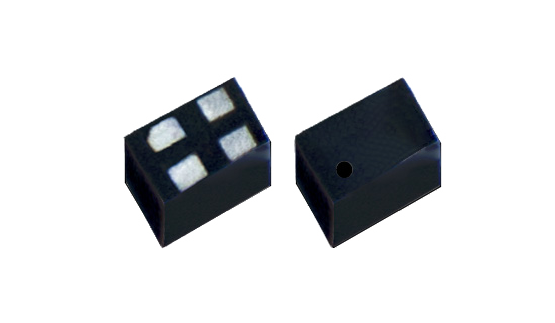
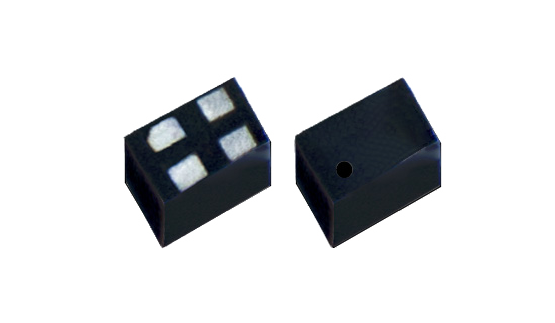
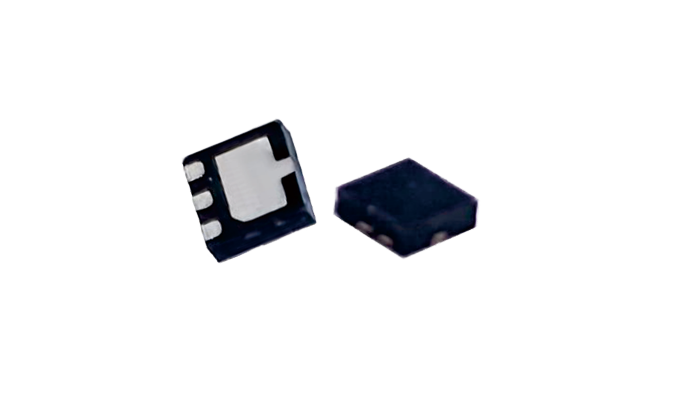
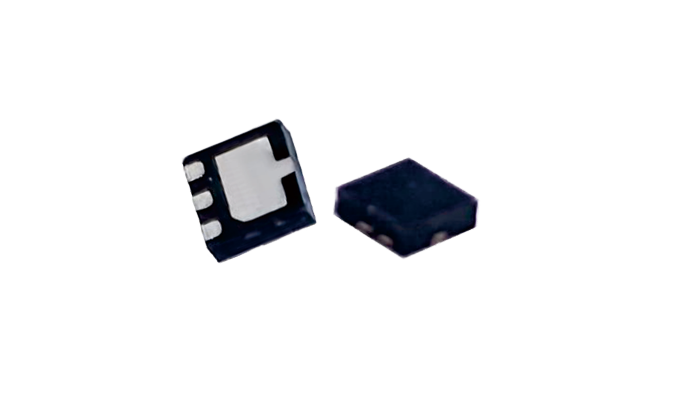
Limited internal structural space: game controllers have cramped internals, requiring small SMT IC packages with large structural assembly tolerances.
High output smoothness is required: insufficient angular repeatability causes a stepped feel in joystick output, resulting in laggy game control and non-smooth movement.
Battery supply constraints: game controllers run on lithium batteries, requiring accurate detection while controlling IC power consumption to extend controller life.
IC detection accuracy <0.1°, repeatability <0.02°, smooth and refined angle output, greatly reducing joystick zero-drift probability and improving control feel.
Fully non-contact measurement with no mechanical friction wear, greatly extending joystick service life.
The IC supports functional safety and enables zero-point self-diagnostics, making it easy for the whole machine to run drift compensation algorithms.
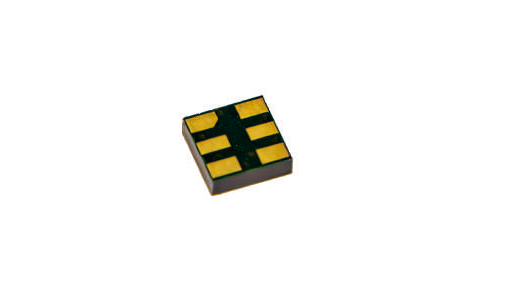
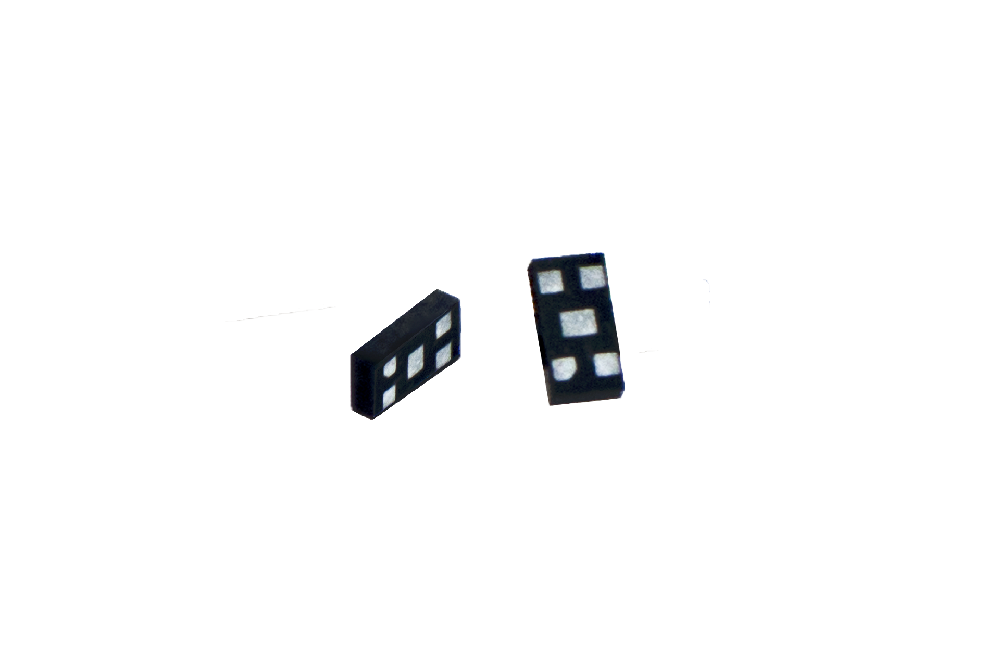
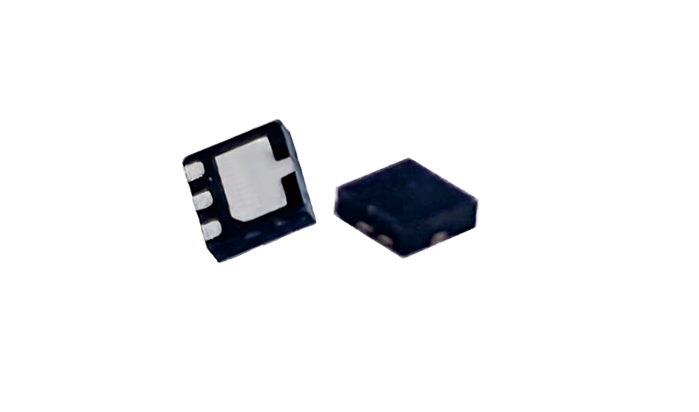
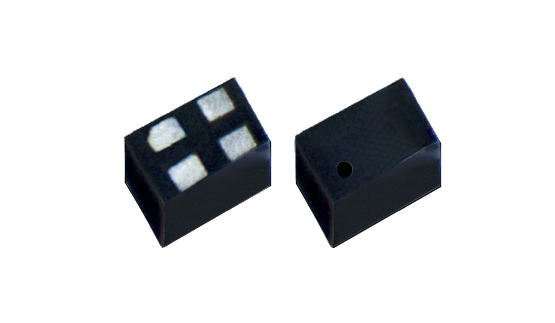
Multi-spec SMT packages suited to the cramped internal structure of controllers; supports low-power operating modes for battery-powered scenarios.