by Enter Search · by Esc Close

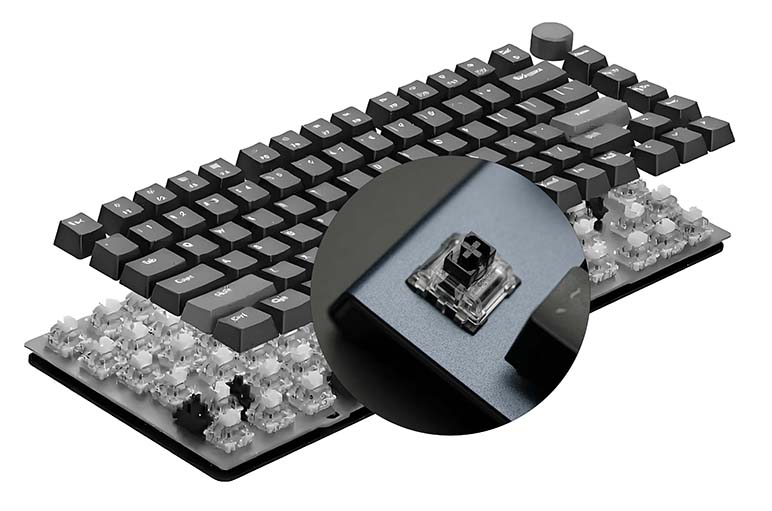
Magnetic switch keyboards are the mainstream choice in today's gaming peripherals. Abandoning the metal-contact conduction structure of traditional mechanical keyboards, they adopt 1D linear xMR magnetic sensor ICs (FFA/FFE/FFZ series). A sensor is built into each key base, with a small permanent magnet mounted under the keycap. As the key is pressed and released, the distance between magnet and sensor changes; the IC captures Z-axis magnetic field changes in real time and converts them into displacement stroke electrical signals.
Based on stroke data from the sensor, the system achieves RT-adjustable triggering, fast triggering, anti-mistouch, and custom key travel;
No physical contact, so there is no contact oxidation, wear, or spring fatigue.
The sensor outputs a continuous position signal in real time; the main controller can identify any stroke point of a keystroke and define trigger and reset strokes, achieving ultra-fast triggering and layered key logic.
Magnetic switch keyboards are the mainstream choice in today's gaming peripherals. Abandoning the metal-contact conduction structure of traditional mechanical keyboards, they adopt 1D linear xMR magnetic sensor ICs (FFA/FFE/FFZ series). A sensor is built into each key base, with a small permanent magnet mounted under the keycap. As the key is pressed and released, the distance between magnet and sensor changes; the IC captures Z-axis magnetic field changes in real time and converts them into displacement stroke electrical signals.
Based on stroke data from the sensor, the system achieves RT-adjustable triggering, fast triggering, anti-mistouch, and custom key travel;
No physical contact, so there is no contact oxidation, wear, or spring fatigue.
The sensor outputs a continuous position signal in real time; the main controller can identify any stroke point of a keystroke and define trigger and reset strokes, achieving ultra-fast triggering and layered key logic.
Magnetic crosstalk interference: densely arranged keys mean neighboring magnets can crosstalk, shifting sensor signals and causing false triggering and trigger-point drift.
Temperature drift effect: as peripheral equipment operating temperature changes, magnet field temperature drift plus sensor temperature drift shift the trigger stroke, so the same key triggers at different points in winter and summer.
Cost and size constraints: a single keyboard integrates dozens of sensors, imposing strict demands on per-IC cost and package size; the PCB has limited space and requires a small SMT package.
High-speed dynamic response: in fast esports typing, the sensor must sample and output at high speed while controlling overall power consumption, without greatly reducing keyboard battery life.
1D magnetic field detection, sensitivity 0.1-50 mV/V/Gs, operating field 10-3000 Gs, perfectly matching the magnetic field range of small magnets in magnetic switch keyboards, with strong resistance to crosstalk from neighboring keys.
Compared with traditional Hall, xMR magnetic sensing offers better temperature drift performance, reducing trigger-point shift from ambient temperature changes and ensuring consistent key feel across the full temperature range.
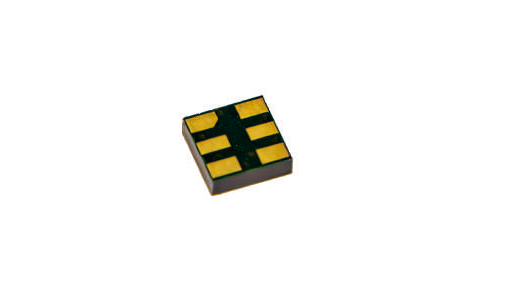
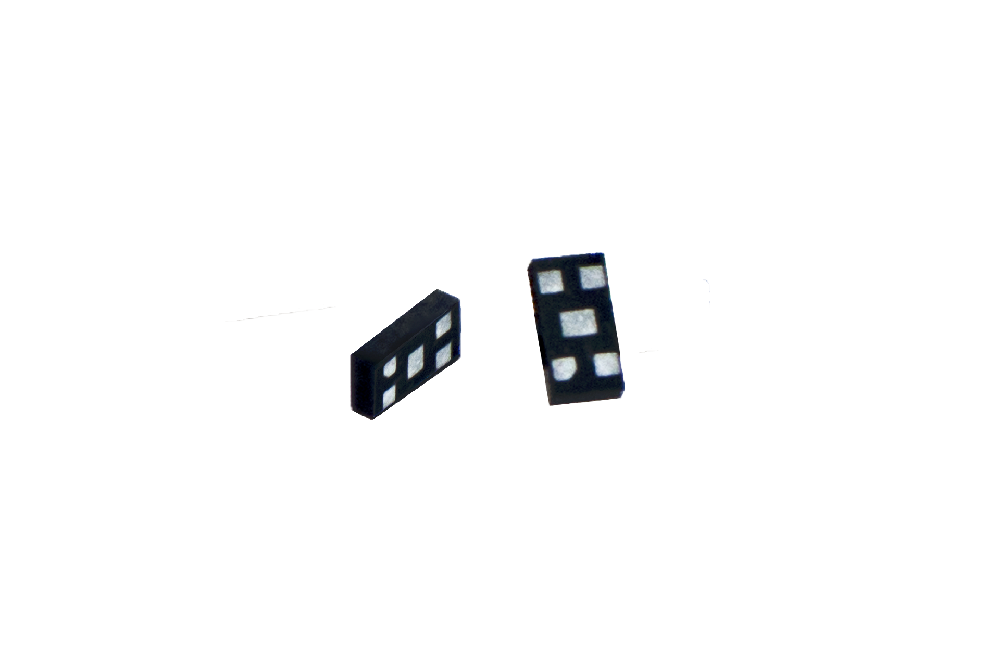
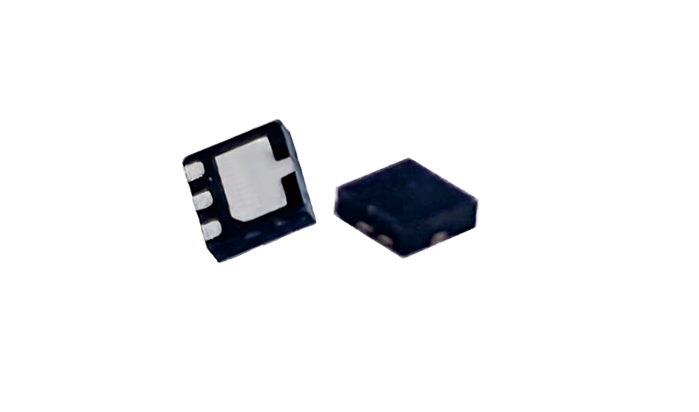
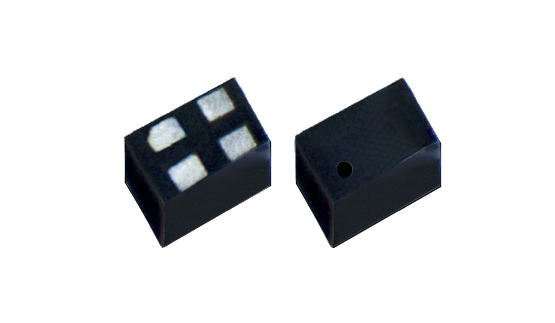
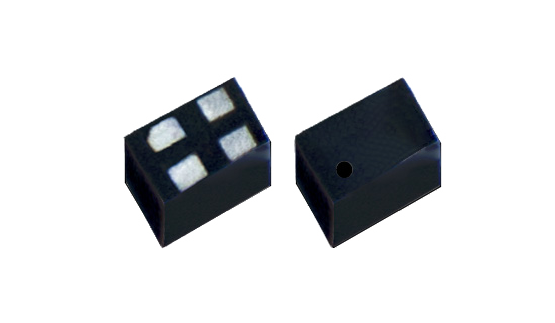
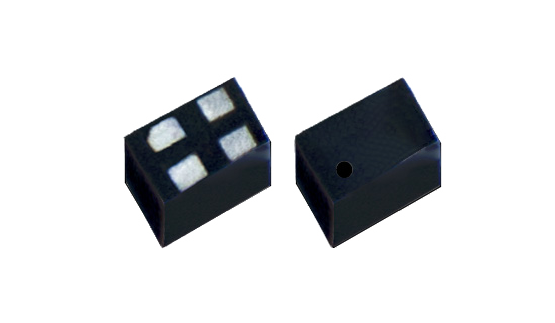
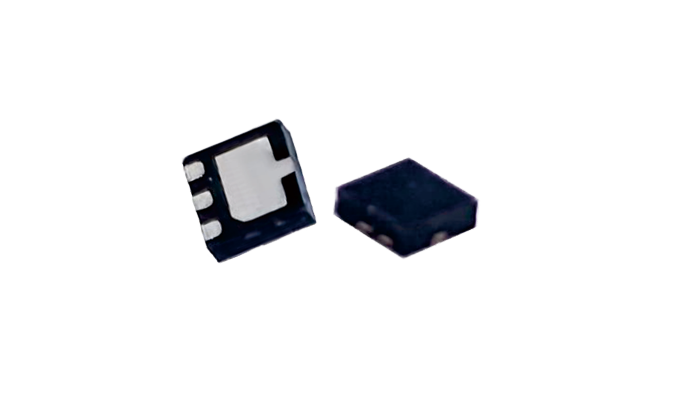
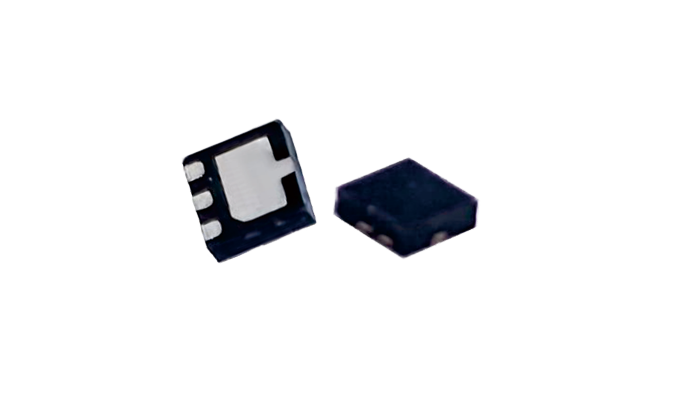
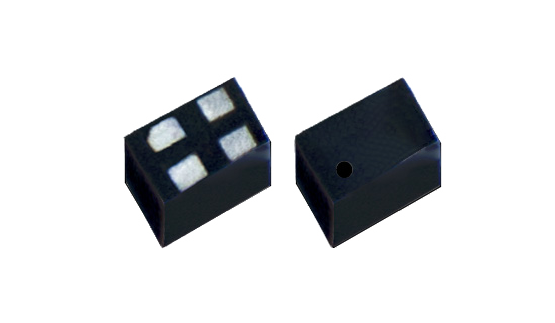
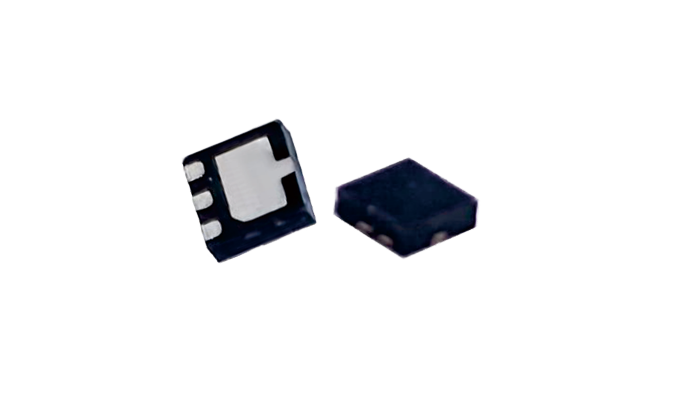
Offers multiple small SMT packages suited to compact keyboard PCB layouts, ideal for large-scale consumer electronics production, with controllable BOM cost.
High signal SNR, accurately identifying tiny displacement changes, supporting high-precision stroke resolution to meet the esports needs of RT ultra-fast triggering and custom key travel.